If you’ve ever stood in your garden in early spring, staring at the soil and wondering how to make this the year everything finally grows the way it’s supposed to—you’re not alone.
Most people immediately think of fertilizers from the store. Bags, numbers, complicated instructions, warnings about burning plants or overdoing it.
But here on our farm, the answer has always been much simpler.
It’s been right in the rabbitry all along.
What Makes Rabbit Manure Different?
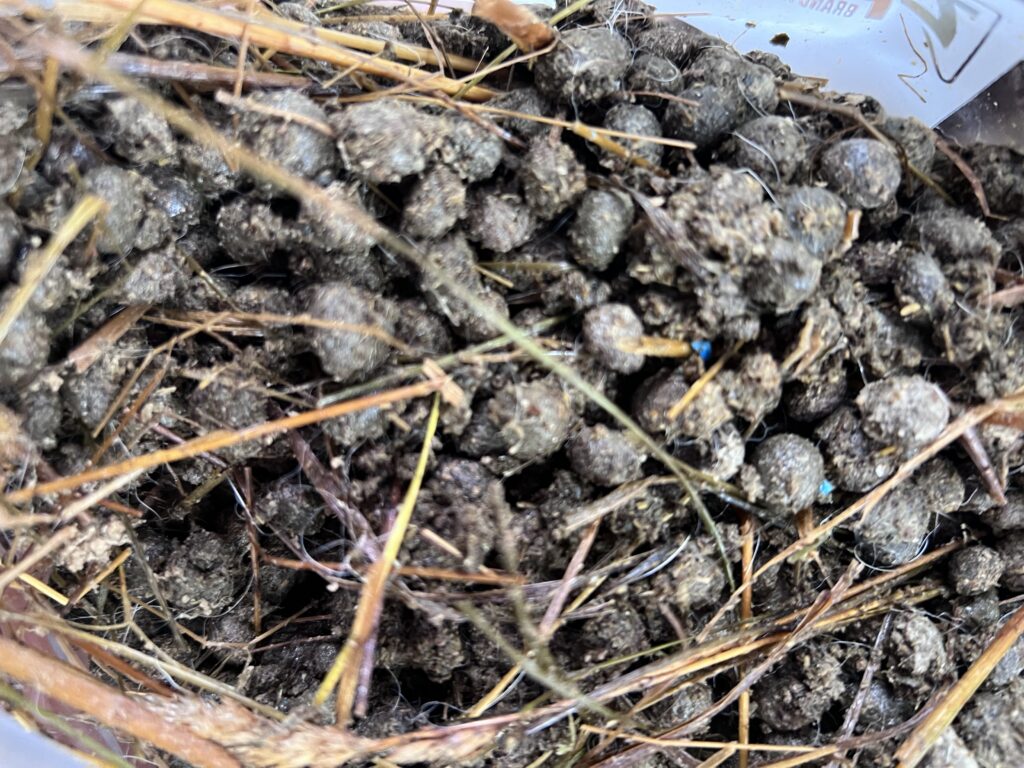
Rabbit manure—what we affectionately call “bunny berries”—is one of the most underrated natural fertilizers you can use.
Unlike chicken or horse manure, rabbit manure is considered a “cold” manure, which means you can use it directly in your garden without composting first. That alone makes it incredibly practical, especially if you’re just getting started or don’t want another multi-step process to manage.
It’s naturally balanced with nitrogen, phosphorus, and potassium—the key nutrients plants need to grow strong roots, healthy leaves, and productive yields.
But beyond the science, there’s something else about it.
It feels… simple.
Grounded.
Like you’re working with your land instead of trying to force results out of it.
A Natural Fit for Small Gardens and Homesteads
Whether you’re growing in raised beds, containers, or a full backyard plot, rabbit manure fits easily into your routine.
You don’t need special tools.
You don’t need to measure perfectly.
You don’t need to worry about harming your plants if you accidentally add a little too much.
That’s part of why so many small-scale growers, homesteaders, and even flower gardeners quietly rely on it year after year.
It’s forgiving—and it works.
How to Use It (Without Overthinking It)
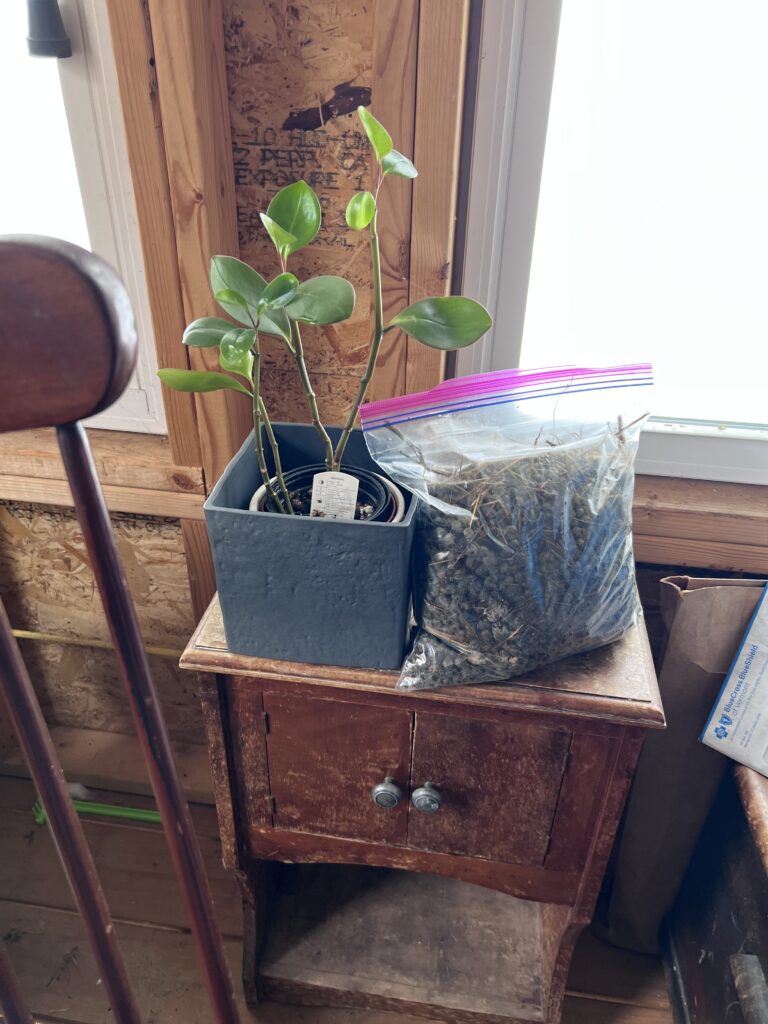
You can keep this incredibly simple.
Here are a few easy ways to start:
1. Sprinkle and Water In
Scatter a small handful around the base of your plants and water it in. That’s it. The nutrients will slowly release into the soil over time.
2. Mix Into Soil Before Planting
If you’re starting a new bed or refreshing one, mix rabbit manure directly into the top few inches of soil. It gives your plants a strong, natural foundation.
3. Make “Bunny Berry Tea”
Drop a scoop into a mesh bag (or even a simple cloth), soak it in water for a day or two, and use that water to feed your plants. It’s a gentle, effective boost—especially for leafy greens and herbs.
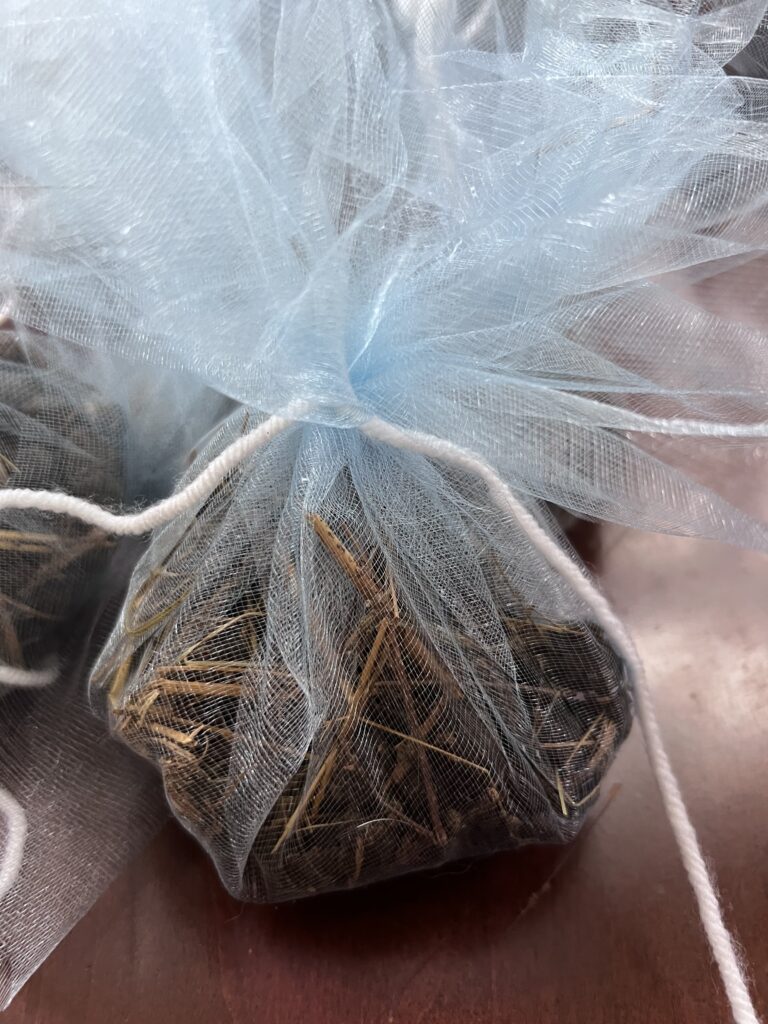
4. Add to Compost (Optional)
While it doesn’t need composting, adding it to your compost pile can help enrich the final mix even further.
What You’ll Notice Over Time
This isn’t a flashy, overnight transformation.
It’s better than that.
Over time, you’ll start to notice:
- Soil that feels richer and more alive
- Plants that look stronger and more resilient
- Better moisture retention (less constant watering)
- Steadier, more consistent growth
It’s the kind of improvement that builds quietly—and then suddenly you realize your garden is just… doing better.
A More Sustainable Way to Grow
There’s also something meaningful about using what’s already part of a natural cycle.
Our rabbits are cared for daily—fed, watered, observed. What they produce doesn’t go to waste. It goes right back into the land, supporting the next layer of growth.
It’s not industrial.
It’s not synthetic.
It’s just part of a working, living system.
And when you bring that into your own garden, you’re tapping into that same rhythm.
Who This Is Perfect For
Rabbit manure is especially helpful if you:
- Are starting your first garden and want something simple
- Don’t want to deal with complicated fertilizers
- Prefer natural, low-input growing methods
- Have a small space or container garden
- Want to improve soil health over time
It removes a lot of the guesswork—and gives you something reliable to build from.
From Our Rabbitry to Your Garden
At Silver Ridge Rabbitry & Farms, this is something we use ourselves—not just something we offer.
Every scoop comes from rabbits that are part of our daily life here. It’s collected, handled, and shared with the same care we give everything on the farm.
We’ve seen what it can do.
And we know how much easier it can make the process of growing your own food, herbs, or flowers.
Start Small and See What Happens
You don’t need a huge garden to try this.
You don’t need a perfect plan.
Start with one bed. One container. One section of your yard.
Add a little.
Water it in.
And watch what happens over the next few weeks.
Because sometimes the biggest shift doesn’t come from doing more.
It comes from choosing something simpler—and letting it grow.

Leave a Reply
You must be logged in to post a comment.