

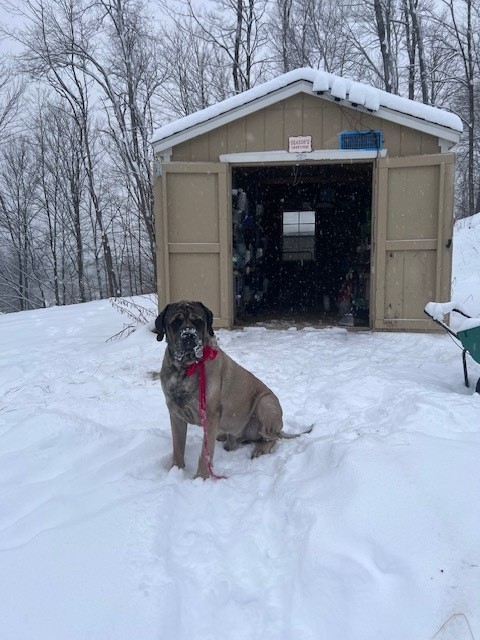
When I built my first pig shelter, I wasn’t trying to reinvent the wheel — I just needed something that worked.
It had to be:
- warm enough for Vermont winters
- dry through mud season
- inexpensive
- and realistic for someone building with what they had
What surprised me later was how many of those same shelter lessons carried directly over when I started raising rabbits.
Different animals. Different scale.
Same fundamentals.
If you’re building shelters for any kind of livestock — pigs, rabbits, chickens, or goats — the principles stay remarkably consistent.
1. Dry Always Comes Before Warm
This is the biggest mistake I see across all species.
People focus on insulation first, but moisture is the real enemy.
A drafty shelter that stays dry is healthier than a “cozy” one that traps humidity.
Whether it’s pigs or rabbits:
- raised floors matter
- roofing matters more than walls
- and airflow needs to be controlled, not eliminated
For rabbits especially, damp bedding is a fast track to respiratory issues and sore hocks.
Dry first. Warm second.
2. Wind Protection Matters More Than Full Enclosure
Animals don’t need to be sealed inside a box — they need relief from prevailing wind.
With pigs, that meant solid sides facing winter gusts.
With rabbits, it means:
- backing hutches against a wall
- shielding wire sides
- orienting openings away from weather
Good shelter blocks wind, not air.
3. Size Should Match the Animal — Not Your Ambition
Bigger isn’t always better.
Oversized shelters:
- lose heat
- feel unsafe to animals
- encourage animals to soil their sleeping areas
Rabbits are especially sensitive to this. A well-sized hutch:
- allows movement
- but still feels contained and protected
Think efficient, not expansive.
4. Bedding Is a System, Not a Layer
When people struggle with shelter, it’s often not the structure — it’s the bedding strategy.
Across pigs and rabbits, I’ve learned:
- straw insulates better than hay
- layering beats frequent full clean-outs
- removing wet spots matters more than total replacement
Good bedding turns a basic shelter into a warm, living system.
5. Observation Beats Every Design Plan
The best shelter improvements I’ve ever made came from watching the animals, not reading plans.
Where do they sleep?
Where do they avoid?
Where does moisture collect?
Where do they feel safe?
Rabbits will tell you quickly if a hutch works — they either stretch out calmly or stay tense and restless.
Shelter design is never “done.” It evolves.
Why This Matters for Rabbit Keepers
Rabbits are often treated like an afterthought — small animals in lightweight setups.
But in reality, they benefit the most from thoughtful shelter design.
When rabbits are:
- dry
- protected from wind
- properly bedded
- and housed at the right scale
they’re healthier, calmer, and easier to manage.
These are the same principles that guide everything we do here at Silver Ridge Rabbitry & Farms.
Where This Path Leads
If you’re raising rabbits — or considering it — shelter is one of the biggest factors in long-term success.
In future posts, I’ll be sharing:
- how I adapt shelters for winter vs summer
- differences between pet, show, and meat setups
- and why certain breeds handle housing better than others
Good shelters don’t have to be expensive — they just have to be thoughtful.
Raising animals teaches you one lesson over and over again:
If you get the environment right, everything else gets easier.